
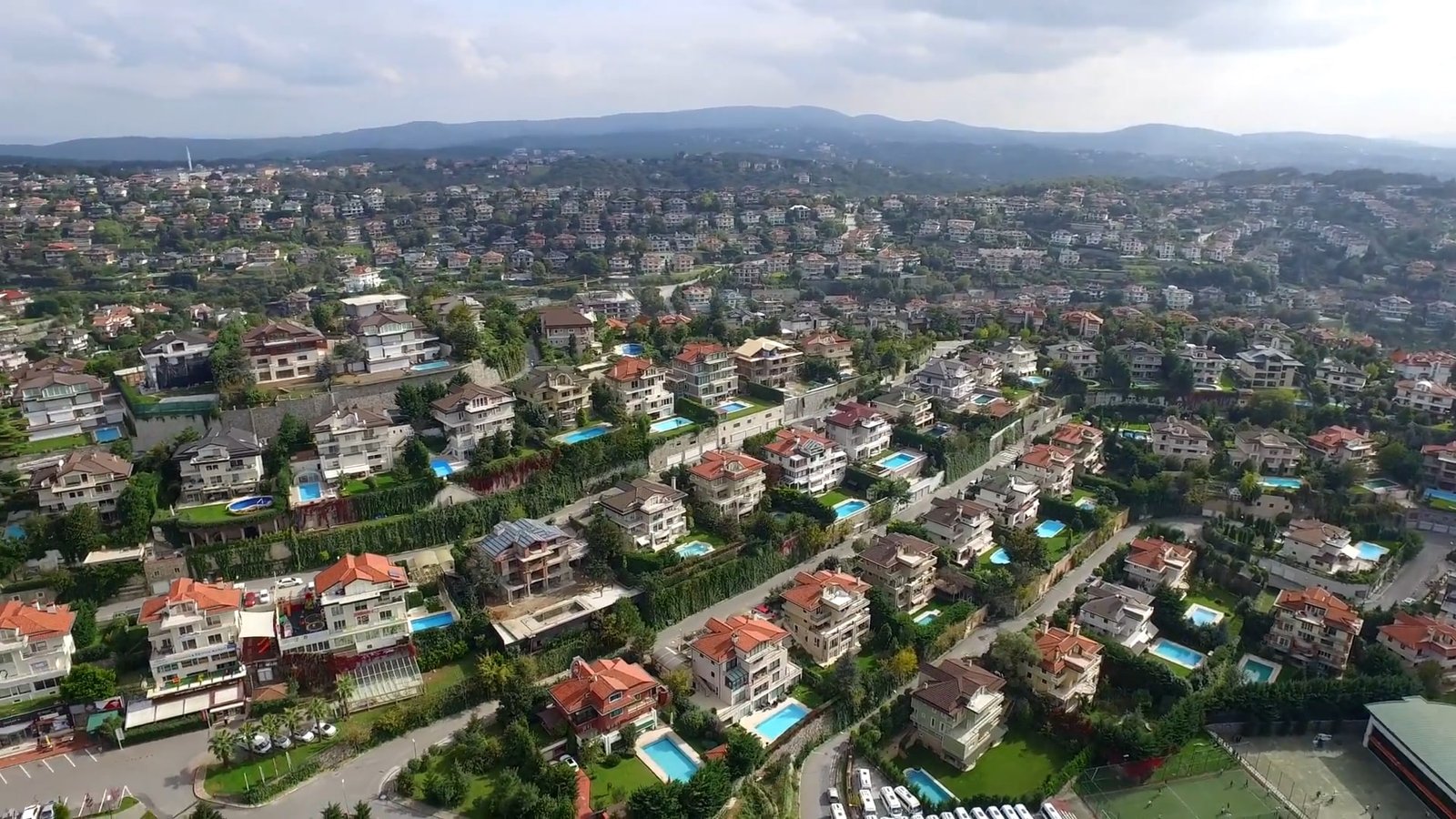
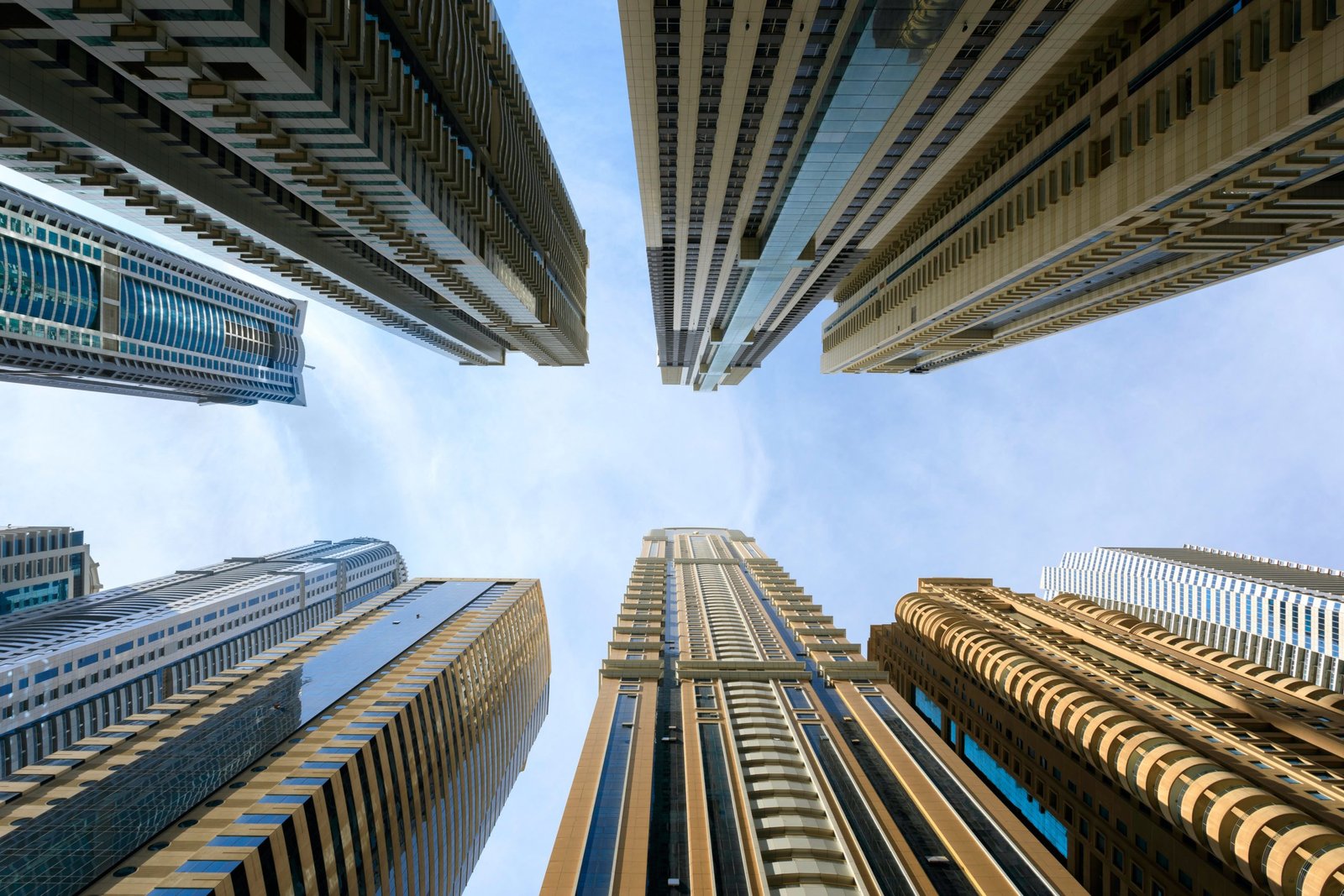
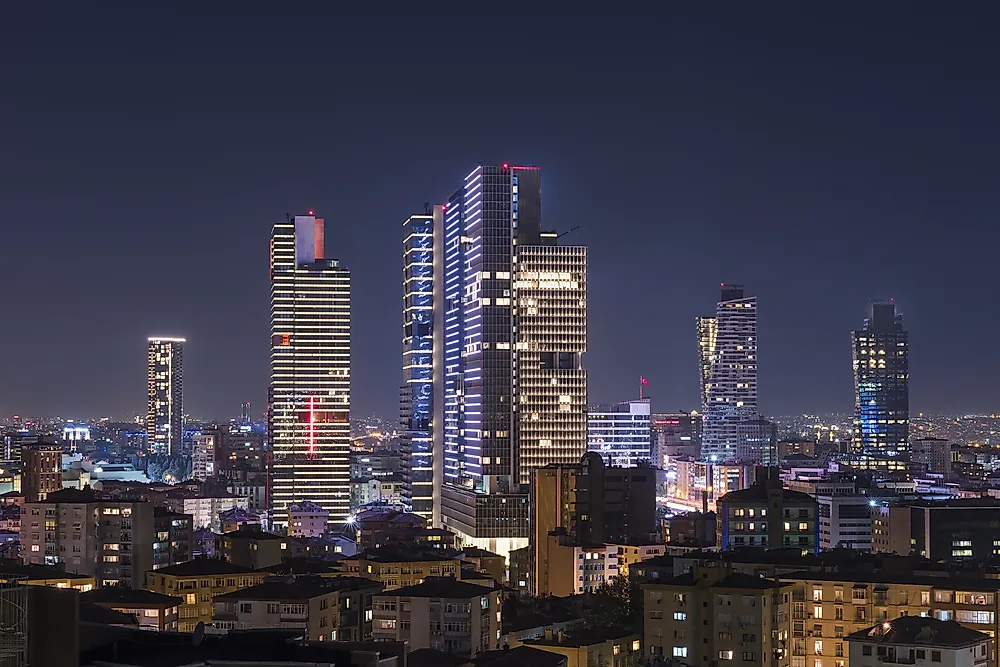
For a city as dynamic and ambitious as Istanbul, the narrative of its skyline has long been one of vertical ascent – a testament to growth, modernity, and aspiration. Yet, within the exclusive echelons of its high-end real estate market, a profound and elegant transformation is underway. The era of the towering skyscraper as the sole symbol of luxury is evolving; Istanbul’s most discerning developers and affluent buyers are now reaching not for the clouds, but for a deeper connection to the earth, embracing the sophisticated trend of luxury horizontal architecture.
This shift marks a return to human-centric design, expansive private domains, and a seamless integration with nature. It’s a movement redefining what true luxury means in Turkey’s largest metropolis.
What is Horizontal Architecture? A New Definition of Space
In stark contrast to the imposing verticality of traditional high-rises, horizontal architecture champions low-slung, sprawling designs that artfully embrace the topography. These residences – often manifesting as grand villas, meticulously planned low-rise garden apartments, or elegant terrace houses – prioritize breadth over height, featuring fewer floors and significantly larger footprints.
In Istanbul, this bespoke architectural philosophy translates into:
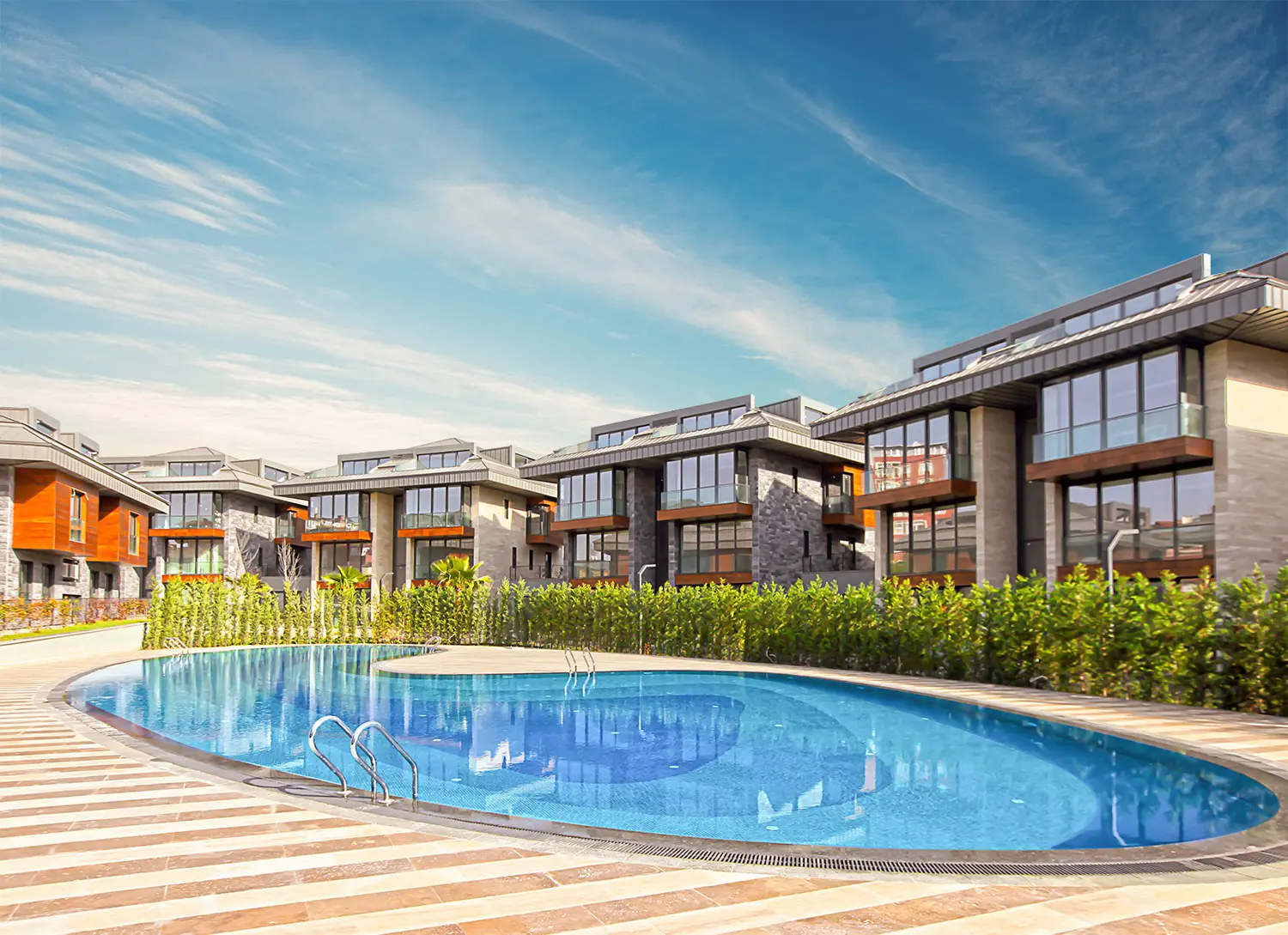
- Seamless Indoor-Outdoor Living: Expansive floor-to-ceiling glass systems effortlessly transition to private gardens, serene courtyards, or generous terraces, blurring the lines between interior comfort and natural splendor.
- Authentic Material Integration: An unwavering commitment to natural materials such as raw stone, exquisite wood, and premium marble ensures each structure resonates with its environment, creating a timeless aesthetic that is both luxurious and grounded.
- Unparalleled Low Density: By design, these developments feature fewer units per acre, gifting residents with an extraordinary sense of privacy, tranquility, and space – a rare commodity in a bustling global city.
Why the Paradigm Shift? Understanding the Modern Luxury Buyer
The gravitation from vertical to horizontal is driven by a confluence of evolving desires from the modern luxury consumer:
1. The Primacy of Nature and Private Green Space
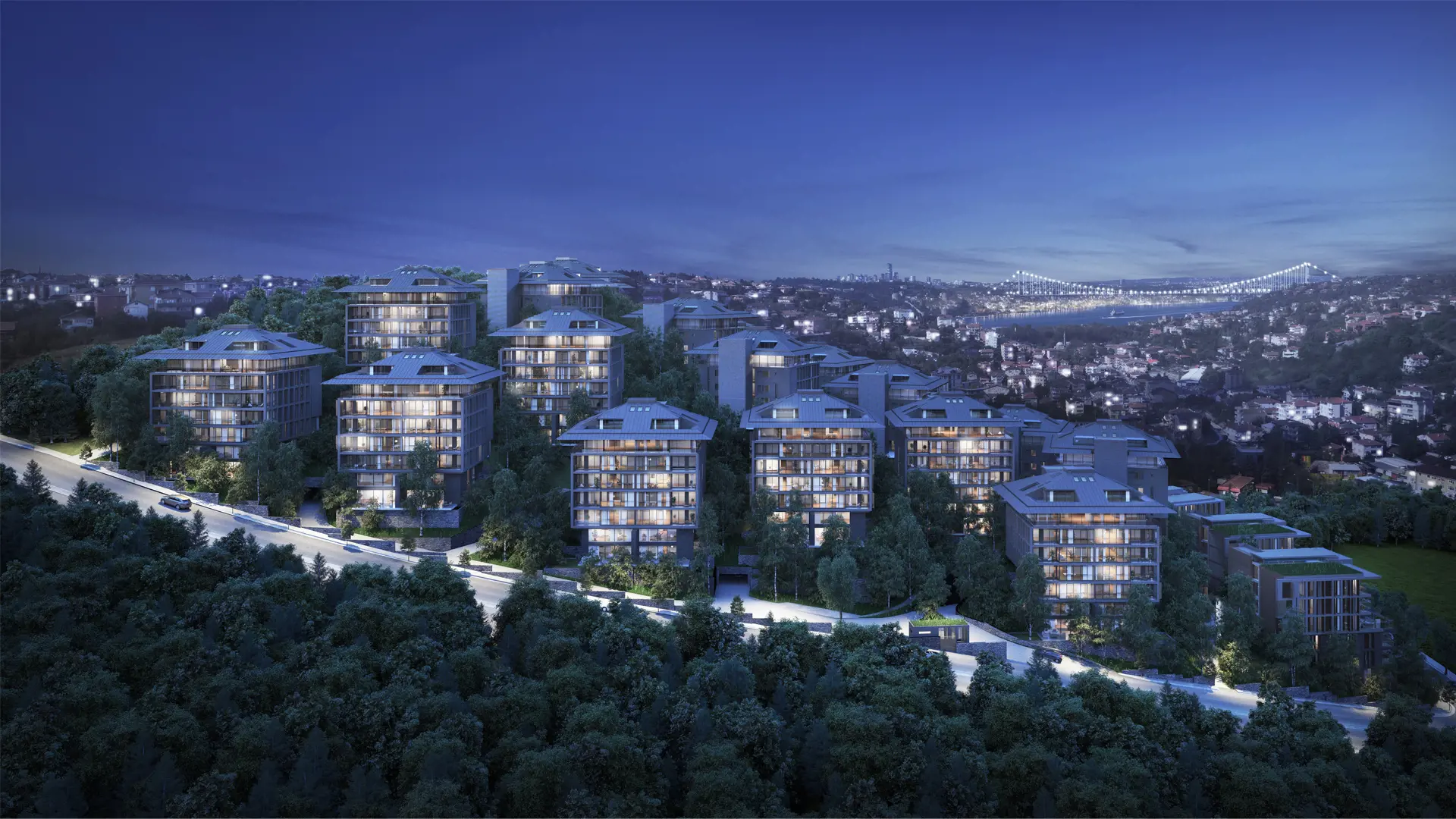
The global re-evaluation of living spaces post-pandemic has underscored the invaluable luxury of private outdoor domains. Today’s elite buyers seek more than a balcony with a view; they desire personal gardens, tranquil private pools, and direct access to verdant walking paths. Projects like Nefes Koru Göktürk near the ancient Belgrad Forest exemplify this, overtly marketing the ability to “breathe clean air” and “live in horizontal architecture” in harmony with nature.
2. The Quest for Uncompromised Privacy and Exclusivity
High-rise living, by its very nature, entails shared common areas—from lobbies and elevators to communal parking. Horizontal luxury developments offer an antidote, cultivating a more secluded and discrete lifestyle. Villa-style residences and garden apartments in prime areas like Üsküdar provide direct access to units, private entrances, and exclusive terraces, replicating the coveted privacy of a detached estate within an amenity-rich complex.
3. Psychological Comfort and Seismic Resilience
While Istanbul’s modern vertical structures adhere to rigorous seismic codes, there is an inherent psychological reassurance for many buyers in choosing low-rise, horizontal constructions. Being closer to the earth provides a profound sense of stability and peace of mind, enhancing the overall living experience.
Key Hotspots: Where Horizontal Luxury Flourishes in Istanbul
The demand for expansive space required by horizontal architecture naturally draws these exclusive developments towards Istanbul’s most verdant and prestigious peripheries, as well as select historical enclaves:
- Göktürk and Kemerburgaz (European Side): Nestled near the ancient Belgrad Forest and conveniently close to Istanbul Airport, this region has emerged as a vibrant epicenter for low-rise, nature-integrated luxury living.
- Bahçeşehir (European Side): Known aptly as the “Garden City,” Bahçeşehir is home to sprawling villa concepts like Afra Park and Sylvana Istanbul Villas, which expertly blend modern architectural sophistication with expansive green landscapes.
- The Asian Side (Üsküdar to Şile): Leveraging the natural undulations of the Anatolian topography, developers here are creating stunning horizontal concepts. Offerings range from smart-home enabled garden apartments in the historic Üsküdar district to earth-toned, natural stone villas seamlessly integrated into the serene, green hills of Şile.
Design Excellence: Crafting the Aesthetic of Grounded Luxury
Istanbul’s leading architectural firms are ensuring that these horizontal properties do not compromise on modern sophistication. They are pioneering designs that blend contemporary open-plan interiors with Mediterranean elements such as shaded walkways and private courtyards.
A hallmark of this movement is the sophisticated use of natural stone, anchoring buildings firmly to their terrestrial roots. In coastal areas like Büyükçekmece, architects employ resilient marble to gracefully withstand damp sea air, while in highland projects, raw limestone forms thick, naturally insulating walls that echo the grandeur of the surrounding mountains.
The Future of Istanbul’s Elite Real Estate
The burgeoning demand for horizontal architecture in Istanbul is far from a transient trend. It signals a fundamental and enduring re-evaluation of urban luxury living. While Istanbul’s bustling financial and commercial centers will continue their vertical ascent, the residential sector, particularly at its most luxurious tier, is firmly putting its roots back into the ground. For discerning investors and affluent families, true luxury in Istanbul is no longer solely about commanding the highest view, but about embracing the widest, most serene horizon.
 English
  فارسی
فارسی