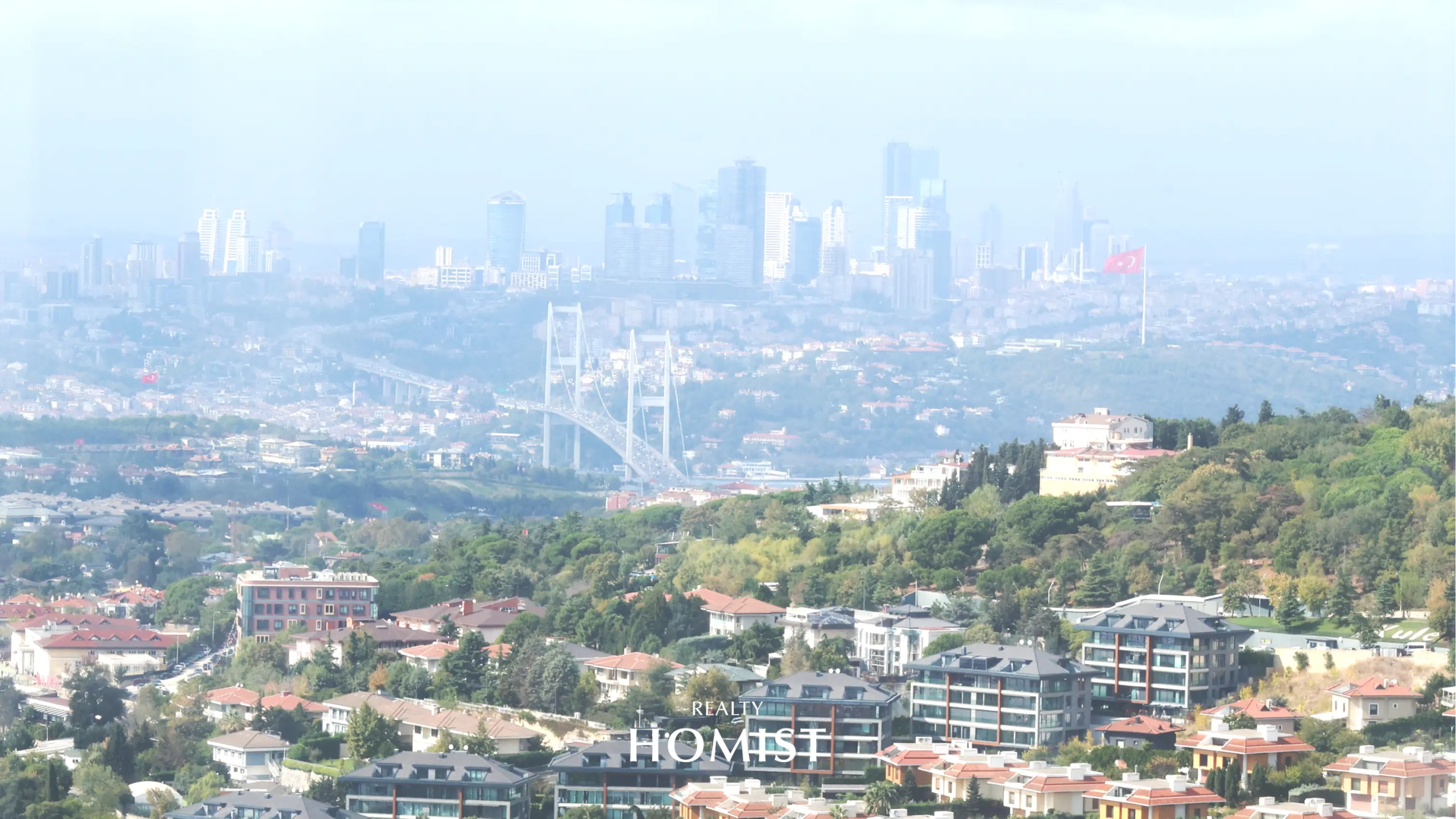
Turkey’s property market is gearing up for sustainable growth in 2026, bolstered by economic stabilisation and a more favorable environment for both local and foreign investors. Nominal property price increases of 8–14% are expected nationally, with standout performance from key cities such as Istanbul and attractive coastal destinations.
Key Macro Drivers and Financing Landscape
As inflation is forecasted to ease to 16–21% by the end of 2026, this will enable real price gains after years of only nominal appreciation. The Central Bank’s policy rates, which peaked at 46% in 2024, are predicted to lower to around 25% by late 2026. This reduction in rates will make mortgages more accessible, stimulating purchases from the middle-class demographic.
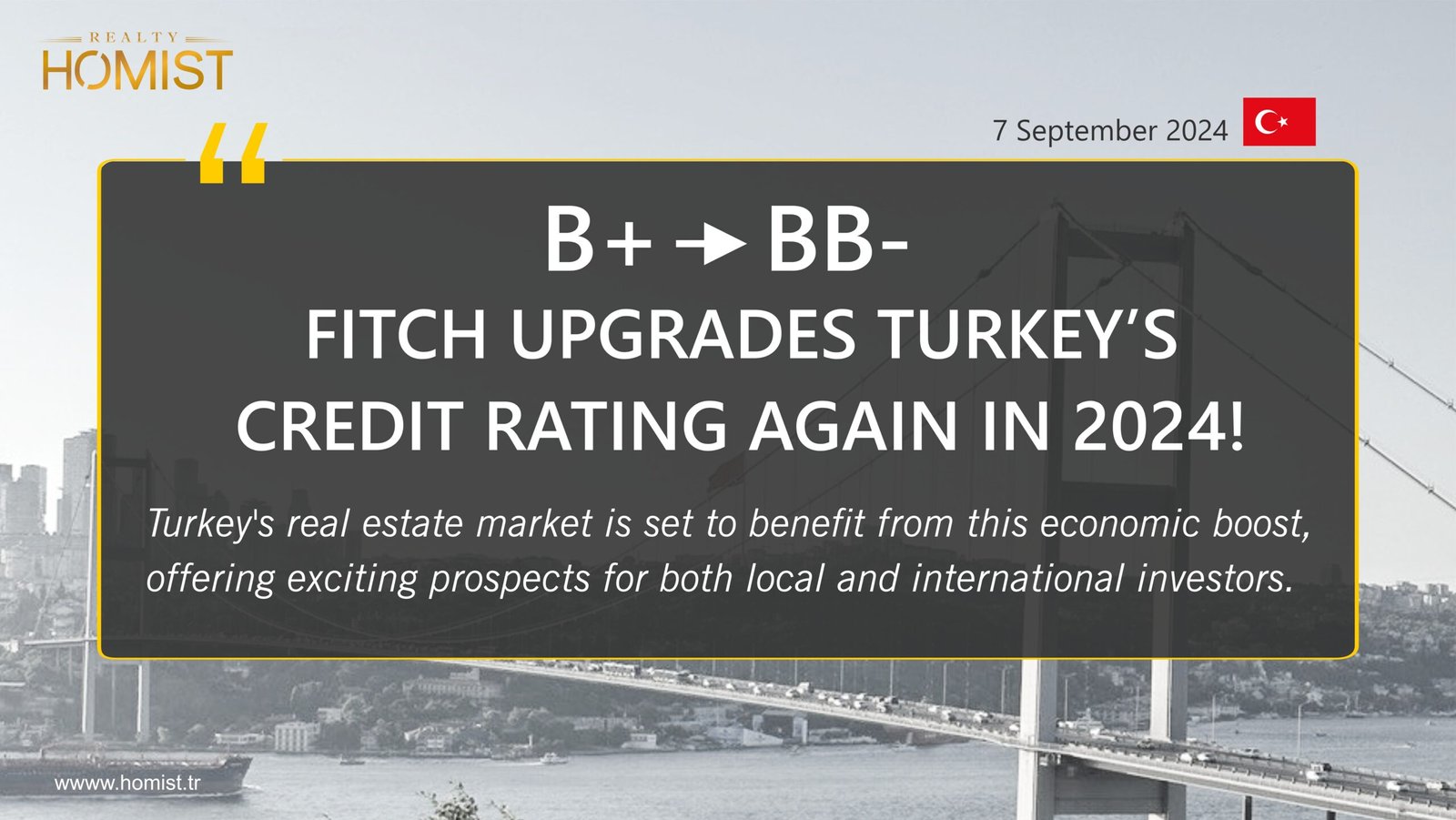
- Credit Rating Upgrades: In 2024, upgrades from Fitch, S&P, and Moody’s signal a restoration of confidence in Turkey’s economy, supporting an influx of foreign investment.
- Currency Benefits: The depreciation of the Turkish Lira creates a 15–20% discount for international buyers in USD and EUR terms, making prime market segments more affordable and appealing.
Price Outlook: Nominal Strength and Emerging Real Gains
Nominal property prices in Turkey are projected to rise by 8–14% in 2026, with Istanbul and coastal markets expected to outperform by an additional 5–10%. Average home prices are anticipated to exceed 3 million TRY (around 40,000 TRY/sqm), aligning more closely with inflation rates.
- Urbanisation and Youth Demographics: These factors will continue to drive housing demand, preventing any major corrections.
- Infrastructure Developments: Projects like expansions to the Istanbul metro and the Canal Istanbul are set to further enhance property values in regeneration zones.
Key Forecasts by Segment
| Segment | 2026 Nominal Growth | Key Drivers |
|---|---|---|
| National average prices | 8–14% | Stabilising economy, lower interest rates |
| Istanbul prime apartments | 28–35% | High demand, urban renewal projects |
| Coastal villas (Bodrum/Antalya) | Up to 20% USD | Demand from foreign retirees and tourism |
| Energy-efficient new builds | 35–45% | Focus on safety and modern amenities |
| Second-hand homes | 15–25% | Steady local demand |
Rental Market: High Yields Amid Strong Demand
The rental market in Istanbul is thriving, with yields averaging between 6–8%, and reaching as high as 9–10% in central districts. Rental increases are often tied to CPI inflation, benefitting landlords with better returns. Strong urban housing shortages and the ongoing influx of tourists further elevate demand, especially in key areas like Antalya and the European side of Istanbul.
Regional Hotspots
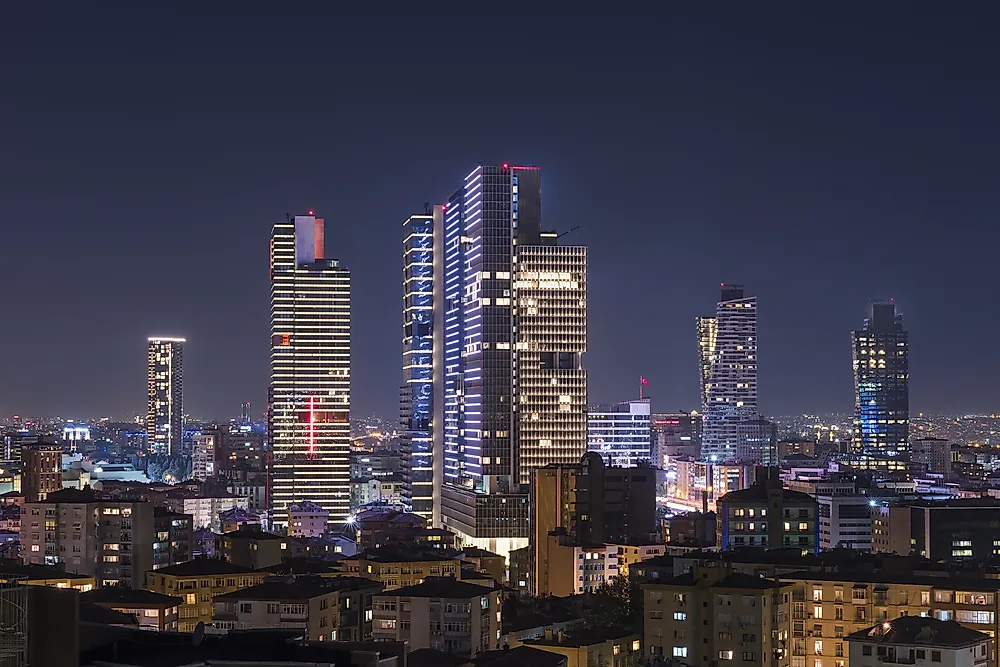
Istanbul continues to lead the way, driven by urban regeneration and mega-projects which create valuable corridors like Kağıthane and Eyüp. Coastal regions, particularly Antalya and Bodrum, attract lifestyle buyers and remote workers looking for year-round appeal and improved airport access. Additionally, Izmir offers coastal value at lower prices than Istanbul, balancing growth with attractive lifestyles.
Investment Opportunities and Risks
For investors, 2026 represents an opportunity to focus on earthquake-safe and smart homes in high-growth areas, aiming for capital appreciation and strong rental yields. Foreign buyers may particularly benefit from citizenship incentives and relatively low entry points (ranging from $100k to $250k).
However, potential risks include:
- Lira Volatility: May present a tactical buying opportunity during dips.
- Policy Changes: Shifts in government policy could impact the real estate landscape.
- Slower Local Credit Recovery: This could limit purchasing power in the market.
Overall, 2026 encourages selective, quality-focused investment strategies, moving away from speculative approaches.
Conclusion
As Turkey’s property market prepares for a promising 2026, the focus on sustainable growth, coupled with easing macroeconomic pressures, positions it as an attractive option for both local and international investors. With continued price increases, compelling rental yields, and appealing opportunities in urban and coastal markets, Turkey’s real estate landscape is one to watch.


 English
 Türkçe
 فارسی
فارسی